

London can be a daunting place for a tourist, especially a first timer. So much to see and quite often not enough time to see it all. I get that, I’ve lived in and around London for a long time and I still love wandering and seeing the sights. I’ve created this walk to take in eight iconic attractions and it can be done in a few hours or an entire day depending on how long you spend at each place. So whether you live here like me, have visited before, or it’s your first time let’s get going on a walk around 8 London icons.
I start my walk around 8 London icons at Green Park underground station. Exit the station and walk through the park towards Buckingham Palace. Green Park was first enclosed in the 17th century by Charles II and is notable for not having any lakes, formal flower planting or buildings. As you continue you’ll see the Canada Gate, walk through and out where you’ll see Buckingham Palace.
Buckingham Palace

Recognisable around the world, Buckingham Palace is the administrative headquarters of the British royal family. First used as a royal home by Queen Victoria today the palace is mainly used for state occasions and royal hospitality. If the King is in residence you’ll see the Royal Standard flying. If you happen to be there around 10:45-11:00 you’ll be able to see the Changing of the Guard. Check here for official times.
Buckingham Palace is open to the public during the summer months. More information can be found here.

Outside at the front of the palace is the huge Victoria Memorial, created by sculptor Sir Thomas Brock and unveiled in 1911, it wasn’t finished until 1924. At nearly 25 metres tall the monument remains the tallest to a king or queen in England.
Trafalgar Square


Leaving the palace behind head down The Mall towards Admiralty Arch and into Trafalgar Square. Trafalgar Square is one of the capital’s most famous squares, its centrepiece is Nelson’s Column built to commemorate victory in the Battle of Trafalgar. The 169 foot monument is topped with a statue of the admiral and features the iconic four bronze lions and fountains at its base.
Surrounding the square you’ll find the National Gallery, the National Portrait Gallery and St Martins in the fields church. From here walk down Whitehall, passing 10 Downing Street, home of the British Prime Minister until you reach Parliament Square. Once you reach Parliament Square cross it and head down Broad Sanctuary where you’ll see Westminster Abbey.
Westminster Abbey


Founded by Benedictine monks in 960 AD Westminster Abbey is still today an active place of worship. A UNESCO World Heritage Site the abbey is impressive in its size, history and architecture. Construction of the church you see today began in 1265 and has since 1066 been the site of the coronations of 40 monarchs and the final resting place of 30 kings and queens. There’s a huge amount of history here and you could easily spend a good few hours exploring the different areas of the church. If you’d like more information on tickets and tours click here.
Big Ben and the Houses of Parliament
Walk back to Parliament Square and the River Thames to get some great views of Big Ben and the Houses of Parliament.
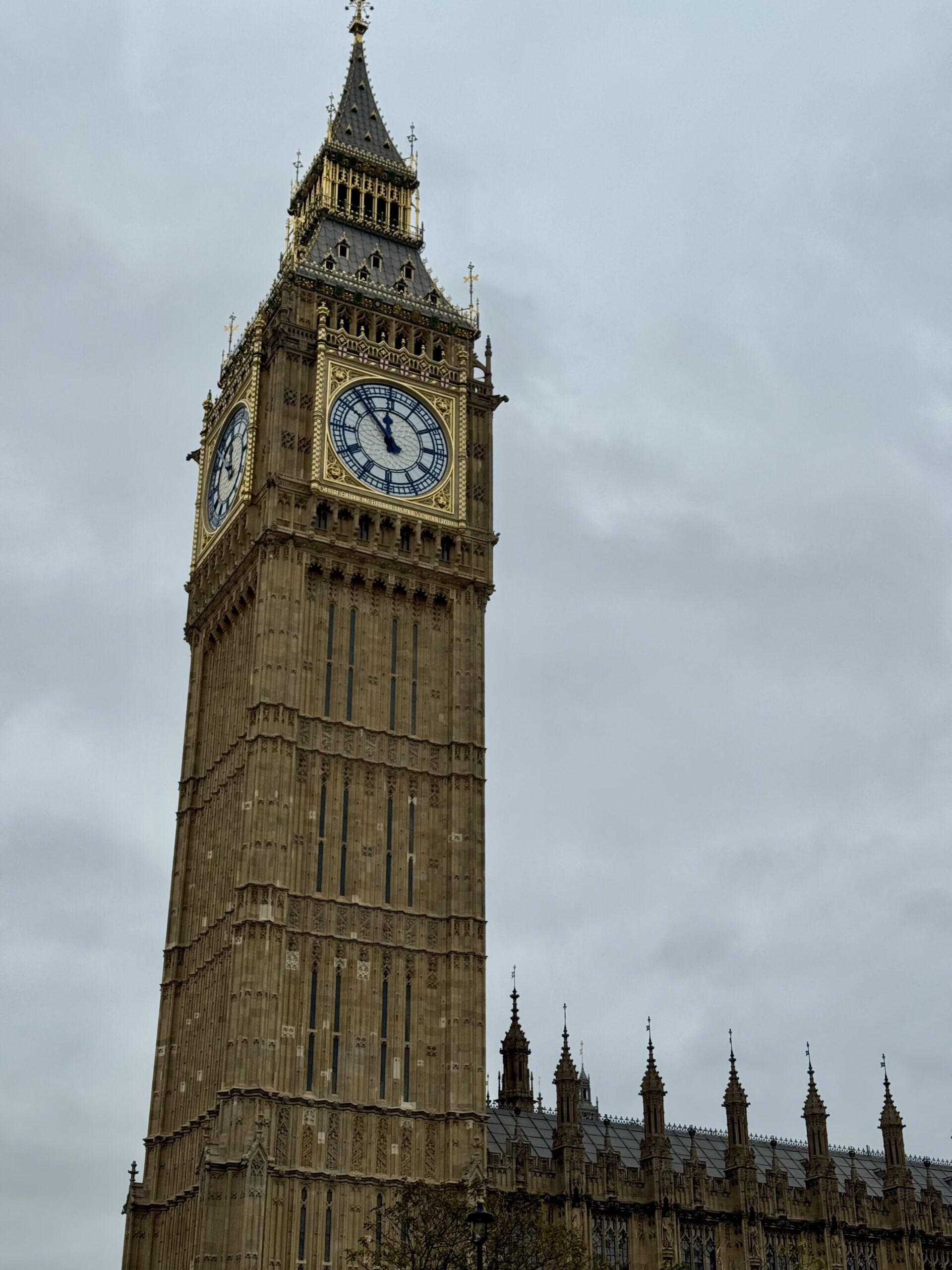
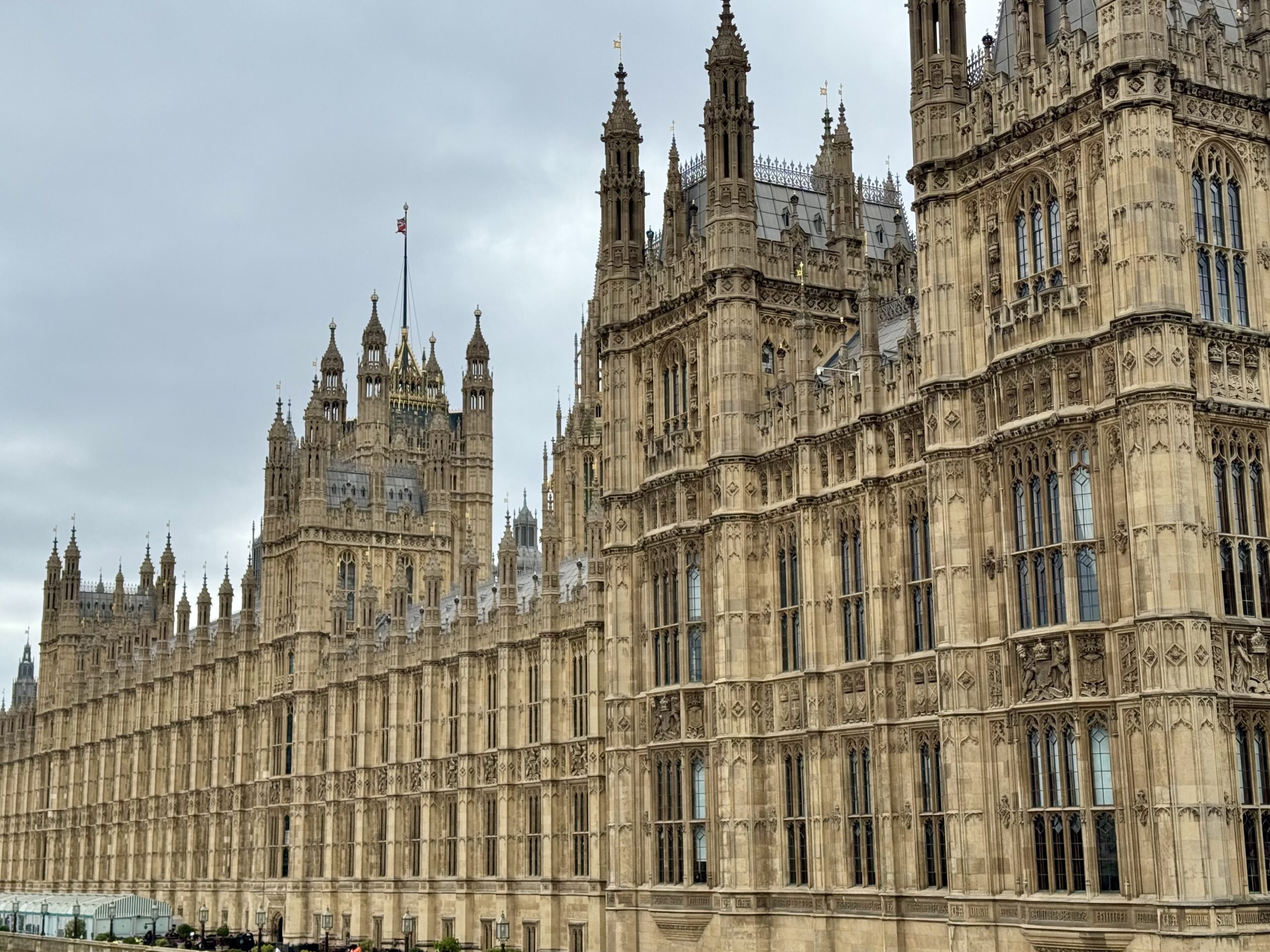
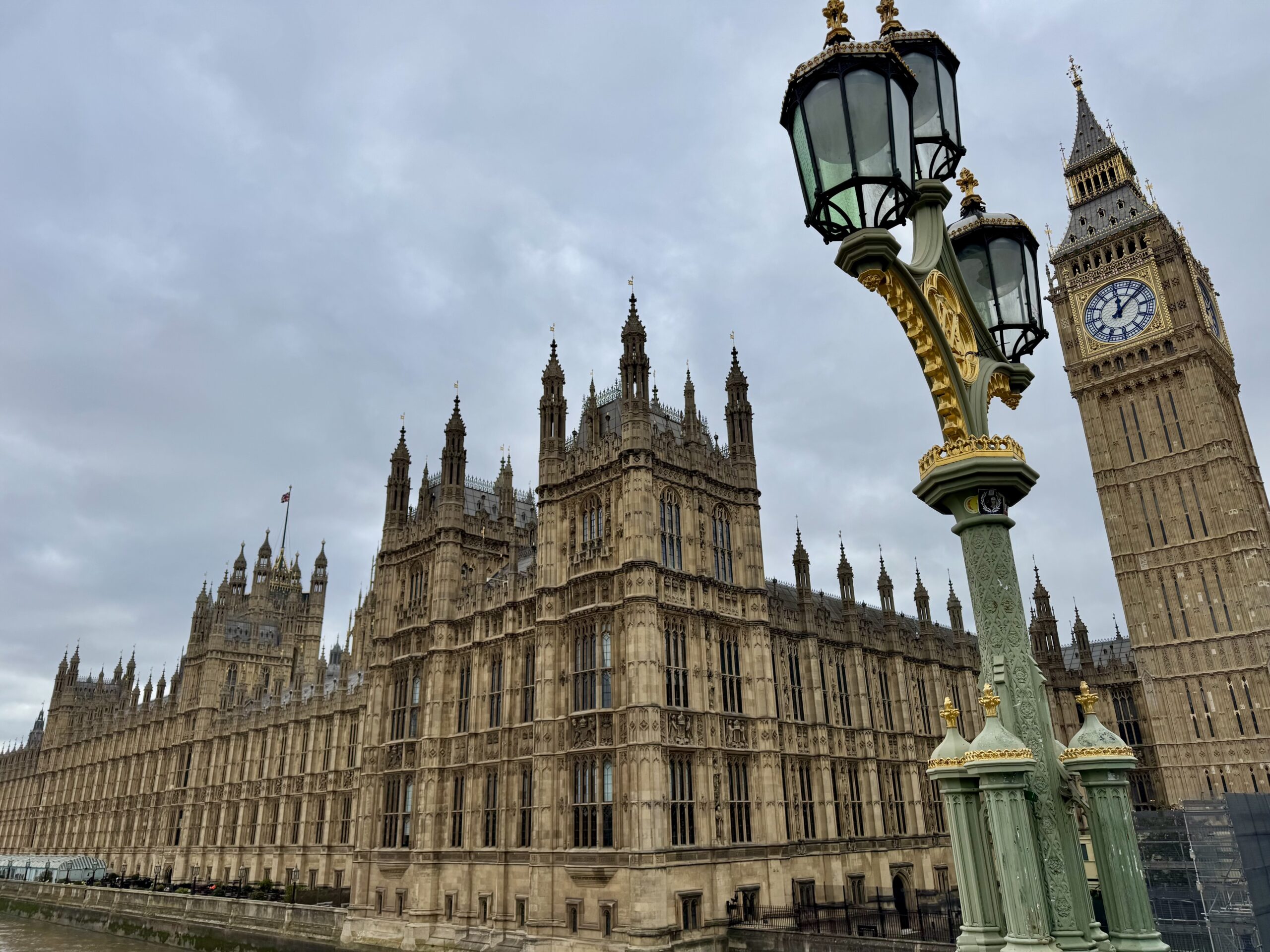
Big Ben is actually the nickname for the Great Bell of the Great Clock of Westminster which is in the clock tower which stands at the north end of the Palace of Westminster. Renamed in 2012 as the Elizabeth Tower to celebrate the Diamond Jubilee of Queen Elizabeth II Big Ben really is one of Londons most recognisable sights.
The Palace of Westminster is the official name for the Houses of Parliament and is the seat of government in the UK. Split into two legislative chambers, the House of Commons and the House of Lords it is commonly known as just Westminster. The building was originally constructed in the 11th century as a royal palace and was primarily the residence of English kings until 1512. A fire destroyed most of the buildings in 1834 but the 12th century Westminster Hall was saved. Architect Charles Barry designed the Gothic Revival building you can see today with construction starting in 1840 and lasting for 30 years. The building is now a UNESCO World Heritage Site. Information about tickets and tours can be found here.
The London Eye
Cross Westminster Bridge from where you’ll get some great views of the Houses of Parliament and Big Ben, turn left and walk along the south bank of the River Thames. The London Eye will be right in front of you.

Originally called the Millennium Wheel, the London Eye is a cantilevered observation wheel that sits on the south bank of the Thames. Since its opening in December 1999 it is still the tallest cantilevered observation wheel in the world at 135 meters and Londons most popular paid for tourist attraction. A full rotation of the wheel takes around 30 minutes and gives some spectacular views of the city. You can purchase tickets here.

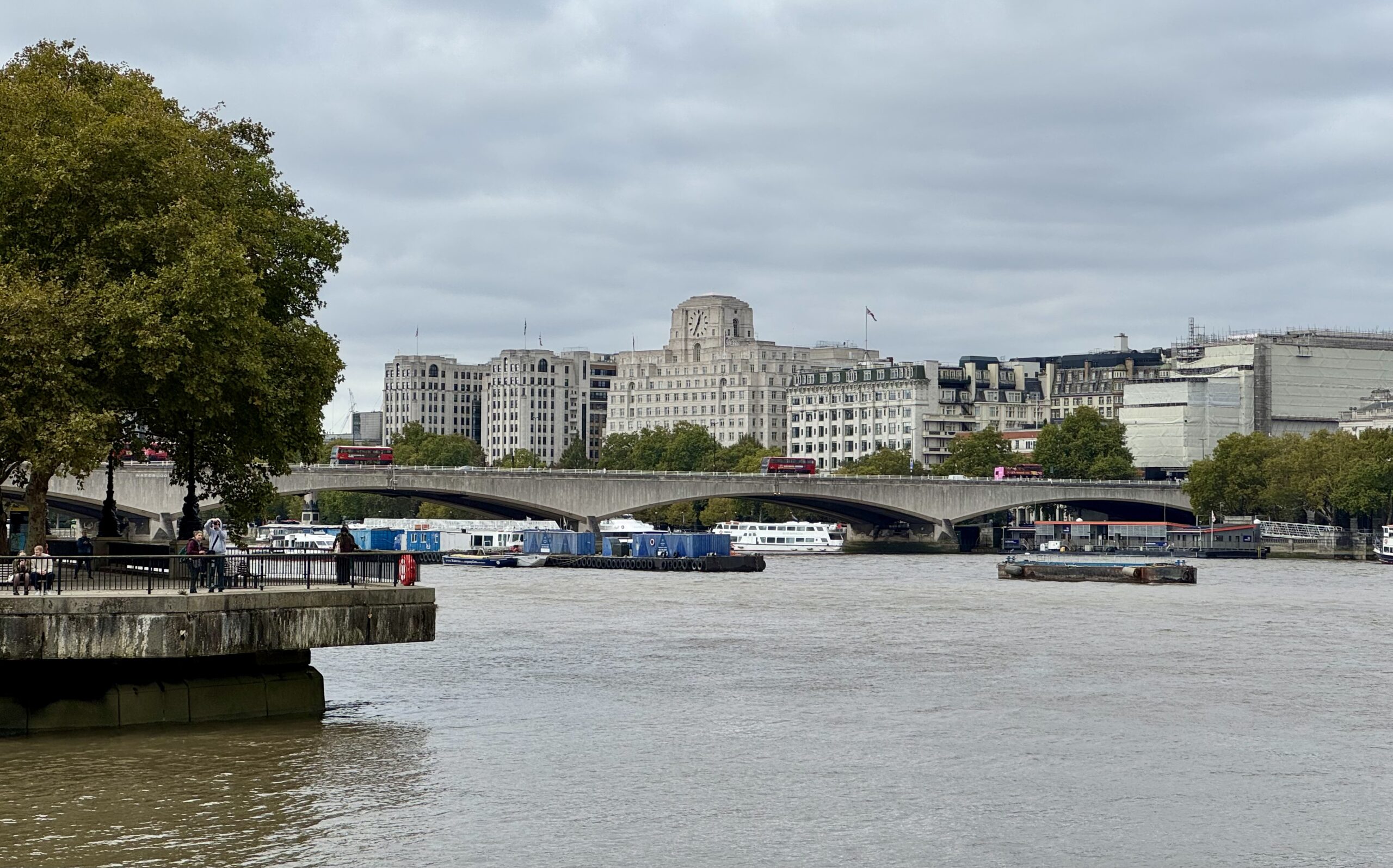
Continue walking along the south bank taking in some amazing views of the city until you reach the Tate Modern and the Millennium Bridge. From here you can see our next stop, the iconic St Paul’s Cathedral.
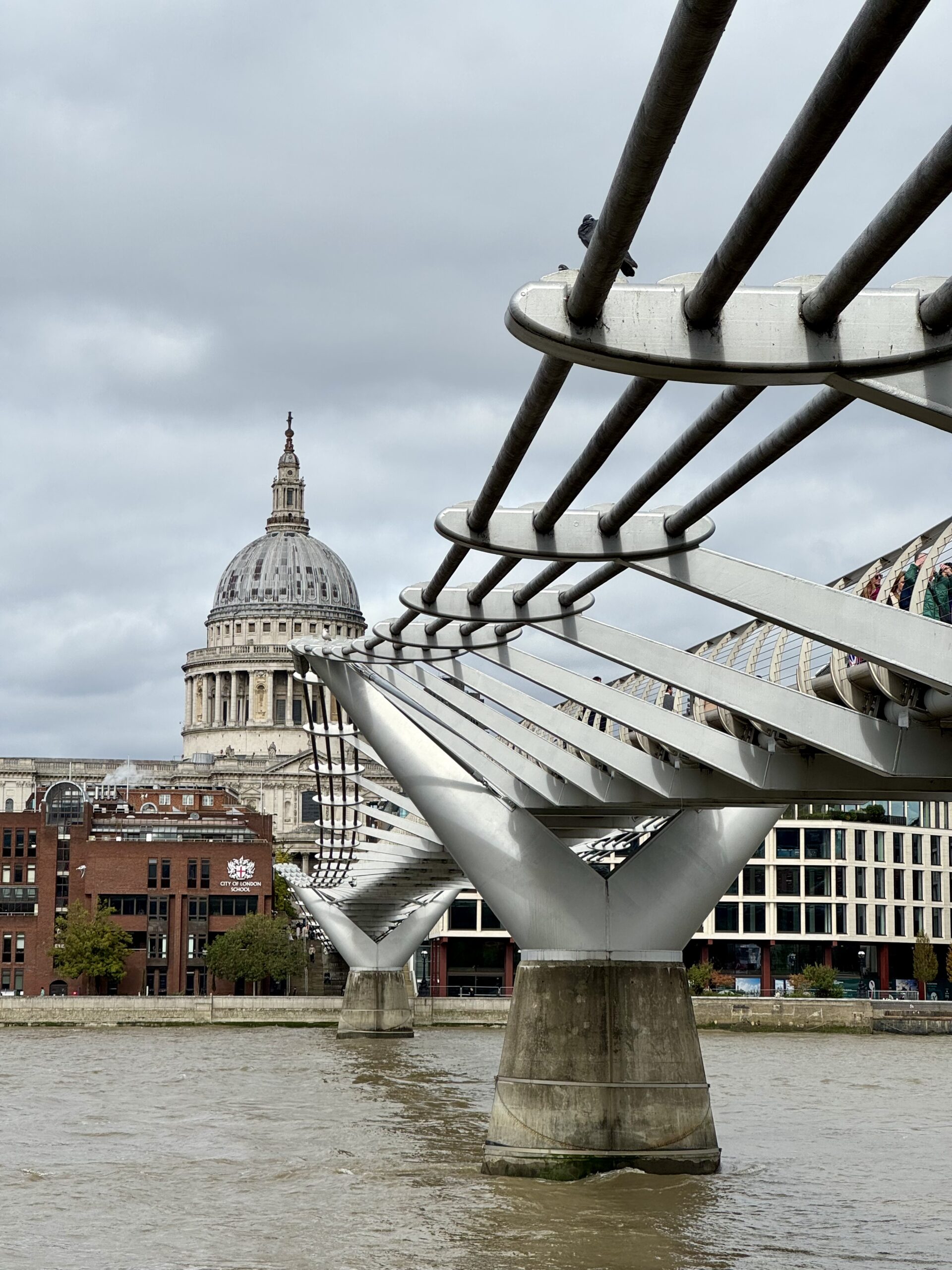
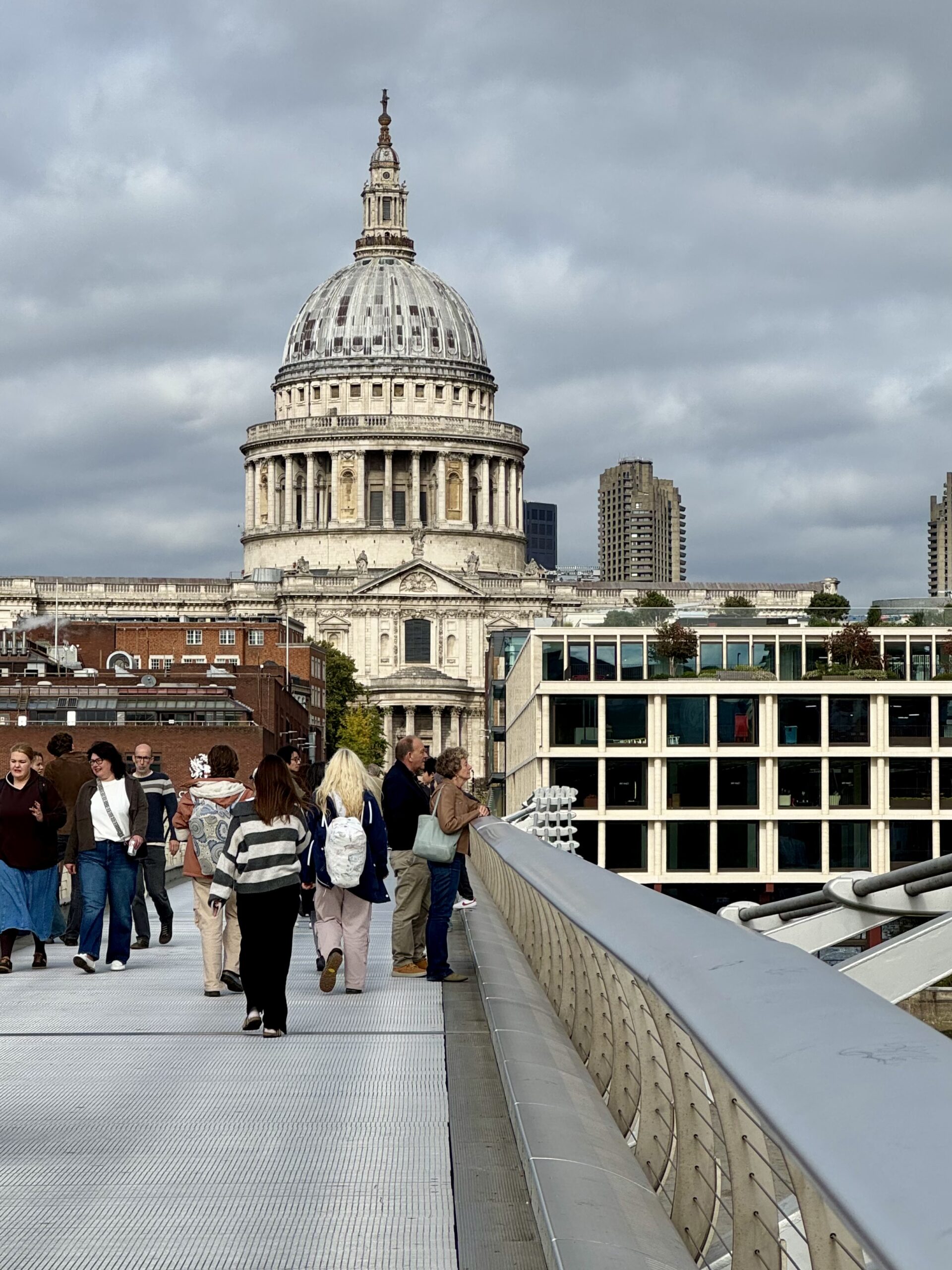
St Paul’s Cathedral

Nothing says London like St Paul’s Cathedral, an iconic landmark that is known around the world. This beautiful masterpiece of a building was completed in 1710 and designed in the English Baroque style by Sir Christopher Wren. The dome of St Paul’s has dominated the London skyline for more than 300 years and is still one of the highest in the world. The cathedral has held the funerals of Admiral Lord Nelson, the Duke of Wellington and Winston Churchill to name a few and was also used for the wedding of the then Prince Charles to Lady Diana Spencer.
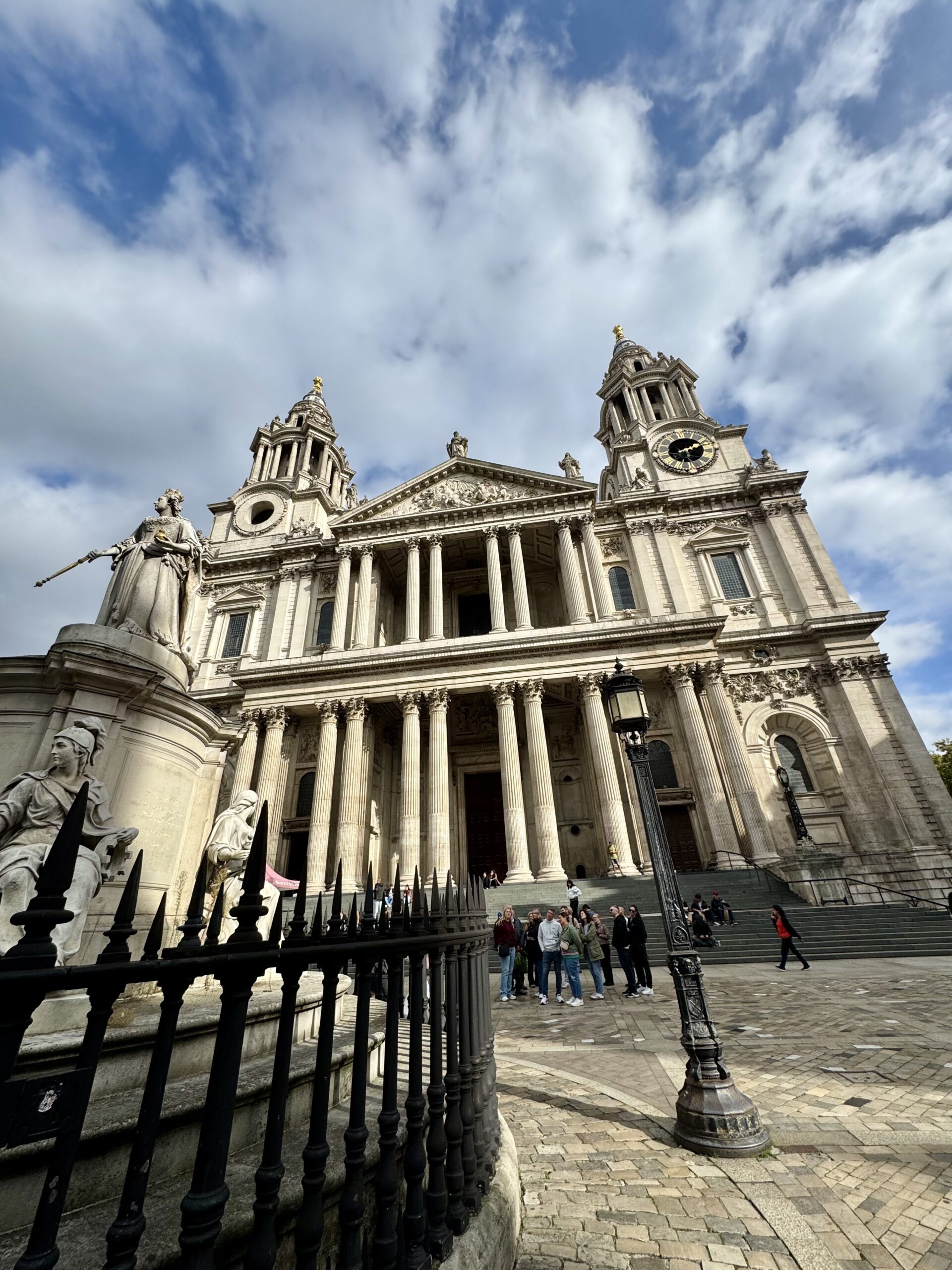
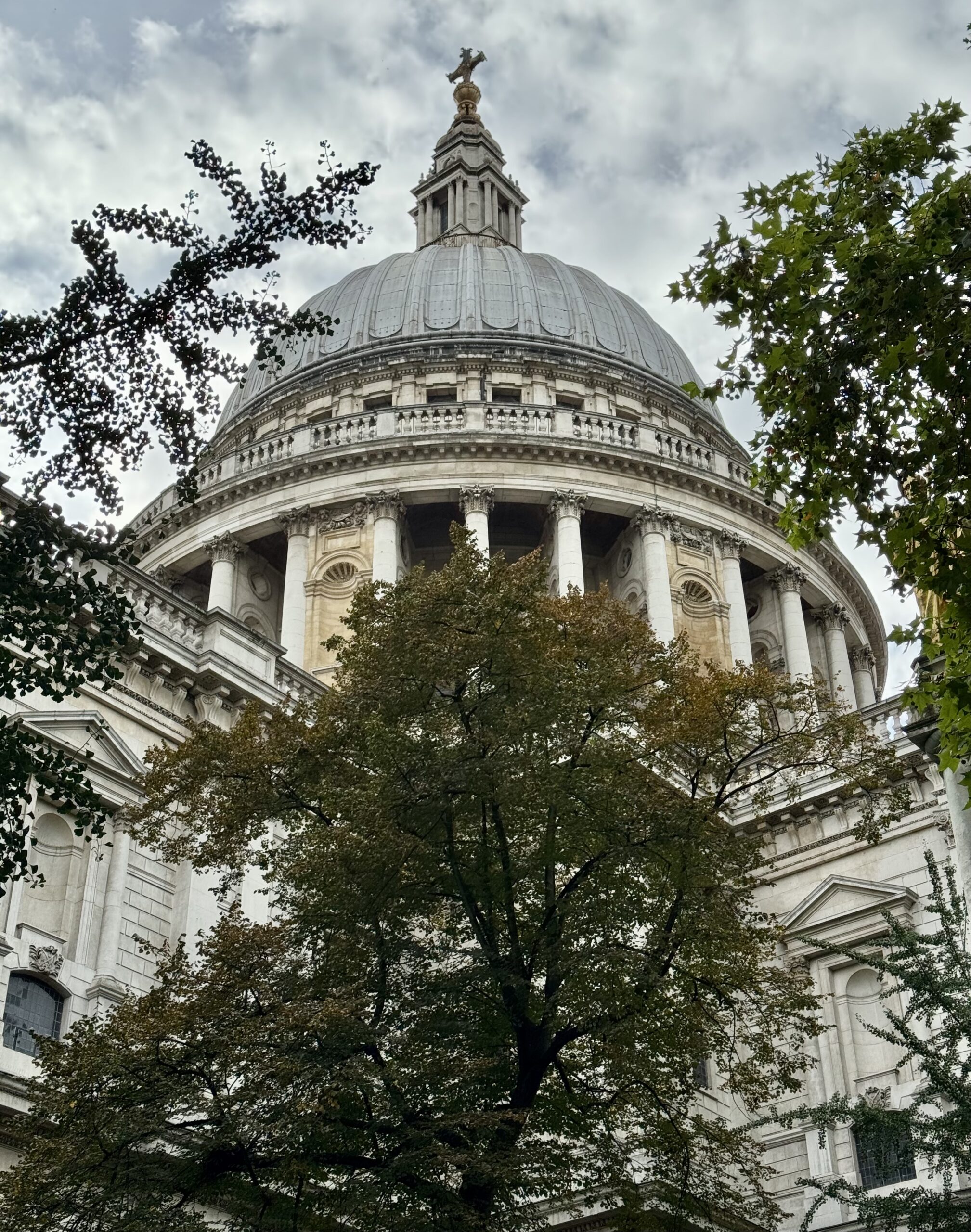
I’d highly recommend a visit to see the inside of the cathedral and if you’ve got the nerve a climb to the top of the dome, it’s quite an experience. Take some time to walk around the building and take a visit to the reflecting pool at the back, you can get some lovely photographs there.
Go back over the Millennium Bridge and carry on walking along the south bank where you’ll pass Shakespeare’s Globe Theatre, Borough Market and The Shard until you reach another London icon, Tower Bridge.
Tower Bridge

Another universally recognised London icon is of course Tower Bridge. Opened by the Prince and Princess of Wales in 1894 the bridge solved a major problem for the City. London was expanding quickly on both sides of the river and a solution was needed, a crossing but without disrupting the river traffic. In 1884 Sir Horace Jones and Sir John Wolfe Barry put forward the chosen design. When it was finished, Tower Bridge was the largest and most sophisticated bascule bridge ever built. The bascules were operated using steam but today they use oil and electricity and can be raised to a maximum of 86 degrees in 60 seconds.

Cross the bridge to the north bank while admiring its structure and engineering. Tickets to visit the bridge can be found here. You will now find yourself at the Tower of London.
Tower of London

The last stop on my walk around 8 London icons is of course the Tower of London, internationally famous and a UNESCO World Heritage Site, the tower just simply cannot be missed. The White Tower, which gives the whole complex its name was built by William the Conqueror in 1078 but other areas pre-date this to around 1066. Over its life the tower has had many uses including a royal palace, a prison, a treasury, the Royal Mint and home to the Crown Jewels. Today the tower is one of Londons most popular tourist attractions along with the guards that protect it, the Yeoman Warders, also known as the Beefeater’s.
Visiting the tower is a must do experience but the one thing that shouldn’t be missed is the Crown Jewels, they truly are spectacular. The display includes 23,578 gemstones, the 800 year old Coronation Spoon, St Edward’s Crown, which was used in the coronation of King Charles and the Imperial State Crown as well as many other priceless pieces.
You can find more info and tickets here.
So there you have it, a walk around 8 London icons. Something to give you an insight into what to do in London, whether you have half a day, a full day or a few days. All of these places are well worth exploring and give you a fascinating look into the rich history of the city and Britain.
If you’ve enjoyed this and would like to see more of my travels just click here.